
What to Consider When Developing Custom Footwear Hardware

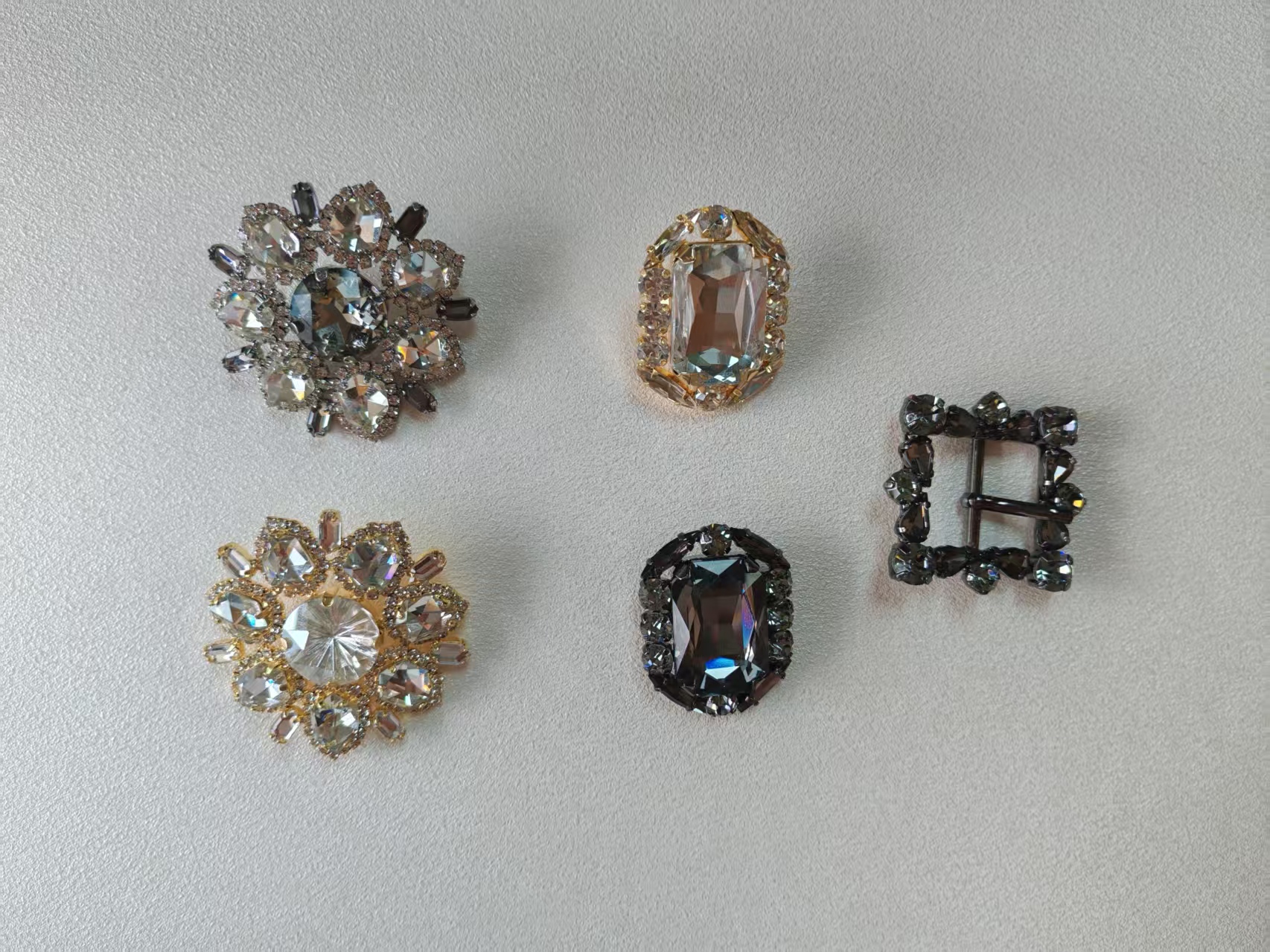
Custom footwear hardware can turn a design concept into a distinctive product. From shoe buckles and metal ornaments to chains and rhinestone accessories, the right hardware can add both functional and visual value to footwear.
For footwear brands, designers and manufacturers, developing a custom component involves more than creating an attractive shape. Factors such as size, material, finish, installation method and production requirements should be considered from the beginning.
1. Start With the Design Concept
The first step in developing custom footwear hardware is to understand the design concept.
A project may start with:
-
A designer's drawing
-
A product sketch
-
A reference image
-
An existing hardware sample
-
A specific size or shape requirement
The more information available at the beginning, the easier it is for the supplier to understand the intended application and develop a suitable solution.
A professional footwear hardware manufacturer can also provide feedback when a design needs adjustments for production.
2. Consider the Size and Proportion
The size of a hardware component should match the overall footwear design.
A decorative buckle, ornament or chain that looks attractive on its own may not work well when applied to a particular shoe.
During development, it is important to consider:
-
The size of the shoe
-
The width of the strap or upper
-
The position of the hardware
-
The relationship with other decorative elements
-
The overall visual balance
Developing a sample before bulk production allows the brand or designer to check the actual proportions on the footwear.
3. Select Suitable Materials
Material selection can affect the appearance, weight, durability and production cost of the hardware.
Depending on the application, different materials and production methods may be considered.
For footwear components, the supplier should understand how the hardware will be used and what requirements it needs to meet.
For example, a decorative ornament may have different material considerations from a functional buckle that is opened and closed regularly.
4. Choose the Right Finish and Color
The surface finish is an important part of footwear hardware design.
The same component can create a completely different appearance depending on its finish.
Common options include:
-
Gold
-
Silver
-
Rose gold
-
Gunmetal
-
Antique finishes
-
Customized plating colors
Brands may also need the hardware to match other components on the shoe, such as eyelets, logo hardware, chains or other metal accessories.
For a complete collection, consistent finishing across different components can help create a more coordinated appearance.
5. Think About the Installation Method
The installation method should be considered before the hardware is finalized.
Depending on the design, a component may need to be attached by:
-
Stitching
-
Rivets
-
Pins
-
Straps
-
Other fastening structures
The installation method can influence the shape and structure of the hardware.
For this reason, it is important to tell the supplier how the component will be applied to the finished footwear during the development stage.
6. Consider Decorative Details
Decorative details can give custom footwear hardware a more distinctive appearance.
Depending on the design, components can incorporate:
-
Rhinestones
-
Crystals
-
Pearls
-
Textured surfaces
-
Special shapes
-
Logo or brand elements
These details can be developed according to the visual requirements of the collection.
For fashion footwear, even a relatively small hardware component can become an important design feature.
7. Develop a Sample Before Bulk Production
Sampling is an important stage of custom hardware development.
A physical sample allows designers and manufacturers to evaluate the actual product before moving into larger quantities.
The sample can be checked for:
-
Size
-
Shape
-
Color
-
Surface finish
-
Decorative details
-
Installation
-
Overall appearance on the footwear
If adjustments are needed, the design can be modified before production.
This can help reduce unnecessary changes during mass production.
8. Work With a Manufacturer That Supports Custom Development
Choosing the right supplier is an important part of the development process.
A capable footwear hardware manufacturer should be able to support more than standard product supply.
Depending on the project, this may include:
-
OEM and ODM development
-
Custom shapes and sizes
-
Color and plating options
-
Sample development
-
Design modifications
-
Bulk production
For brands and footwear manufacturers, working with one supplier throughout the development process can make communication and production management more efficient.
Custom Footwear Hardware Development at SENHAO
SENHAO provides custom footwear hardware solutions for brands, designers and footwear manufacturers.
Our product range includes shoe buckles, rhinestone accessories, metal ornaments, chains and other decorative hardware components.
Customers can provide drawings, reference images, samples or specific requirements. Based on the project, we can develop and modify components in terms of shape, size, color, finish, installation method and application.
Our catalog represents only part of our product range. Many existing designs can also be modified according to customer requirements, while new components can be developed from an original concept or sample.
From initial design communication and sampling to production, SENHAO supports customers throughout the custom hardware development process.
Conclusion
Developing custom footwear hardware requires careful consideration of both design and manufacturing requirements.
Size, material, finish, installation method and decorative details all contribute to the final result. Developing and testing a sample before bulk production can also help ensure that the hardware works well with the finished footwear.
For brands and manufacturers looking for more than standard components, custom footwear hardware provides greater flexibility to create products that match their designs and collection requirements.
Working with an experienced footwear hardware manufacturer can help turn a design concept into a practical component ready for production.
How Custom Handbag Hardware Enhances Fashion Brand Designs
Related Article


Subscribe for Updates